If you price your home based on hope instead of market signals, you could lose valuable time and negotiating power. In Mountain Home, buyers have options, and that means your first pricing decision carries more weight than ever. The good news is that smart pricing is not guesswork when you use the right local data and strategy. Let’s dive in.
Why pricing matters in Mountain Home
Mountain Home is showing signs of a buyer-leaning market. Realtor.com labeled the city a buyer's market in March 2026, with a median days on market of 62 and a sale-to-list ratio of 96%, which means homes sold about 4.44% below asking on average. Redfin also showed slower sold activity, with a March 2026 median sale price of $200,000, an average of 124 days to sell, and only 12 homes sold that month.
Inventory also points to a competitive market. Zillow showed 251 homes for sale as of April 30, 2026, while Realtor.com showed 397 homes for sale in the city. Even though the totals vary by source, both suggest buyers have meaningful choice, which makes careful pricing especially important.
One of the clearest signals is the gap between sale prices and list prices. Public market trackers place recent median sale prices in the low $200,000s, while median list prices are closer to $300,000. When that kind of spread exists, pricing too high can make your home easier for buyers to skip.
Start with closed sales, not active listings
A smart pricing strategy begins with closed comps. Active listings show what sellers hope to get, but closed sales show what buyers were actually willing to pay. In a market like Mountain Home, that difference matters.
Recent sales tell the story clearly. A home at 1212 E 1st St sold for $220,000 after listing at $229,900, about 4% below list after 35 days. At 125 Woodsong Ter, the home sold for $245,000 after starting at $284,500, which was about 14% below list after 260 days.
Not every sale ends with a large discount. A property at 220 Sheeks Dr sold for $499,000 against a $499,900 list price after 62 days. That range of outcomes shows why timing, condition, and starting price all shape the final result.
Price by buyer pool, not by wish list
One of the biggest pricing mistakes is comparing your home to the wrong category of property. Mountain Home includes in-town homes, acreage properties, lake-access homes, and luxury waterfront listings. Each appeals to a different buyer pool, and each should be priced in its own lane.
If your home is a standard in-town resale, it should not be priced like a lake-oriented property with premium views or access. If your property includes acreage, dock rights, or a unique setting, those features may support a different price range than a similarly sized home in a subdivision. The goal is to identify what buyers are truly comparing your home against right now.
That is why strategic pricing starts with positioning. Before you can choose a number, you need to know whether your home fits the starter-home market, move-up segment, lake-access category, or higher-end lifestyle niche.
How property type affects pricing
Starter homes need tight pricing
Entry-level buyers are often the most payment-sensitive, so small pricing mistakes can have a bigger impact. Current Mountain Home listings in this range include 1313 Meadowbrook Dr at $139,900, 1522 Meadowhill Dr at $179,900, 818 Locust St at $180,000, and 1513 Berry Ln at $205,000. That tells you buyers in this segment already have several options.
If your home falls into this group, pricing needs to be especially sharp. Even a modest overpricing can move your property out of a buyer’s short list. In this tier, buyers tend to compare homes very directly based on condition, size, and monthly affordability.
Move-up homes need feature-based positioning
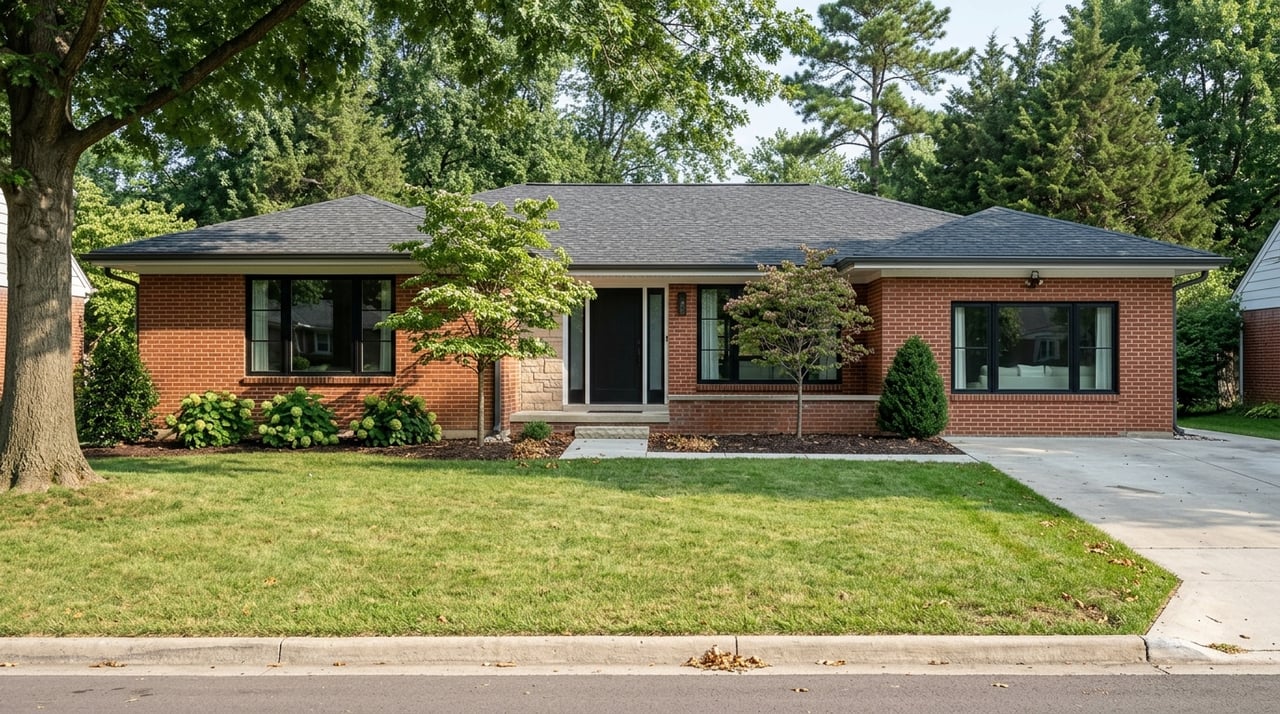
Move-up homes allow more room for pricing based on layout, finishes, lot size, and presentation. Current examples include 304 Sycamore Springs Trl at $299,900, 1401 S Kingswood Way at $335,000, 90 Lake Ln at $429,000, and 69 River Ranch Rd at $575,000. In this range, the pricing story becomes more detailed.
Buyers are looking beyond square footage alone. They are paying attention to updates, outdoor space, flow, privacy, and overall presentation. That means your pricing should reflect both hard data and how your home competes in person.
Lake and lifestyle homes need their own comp set
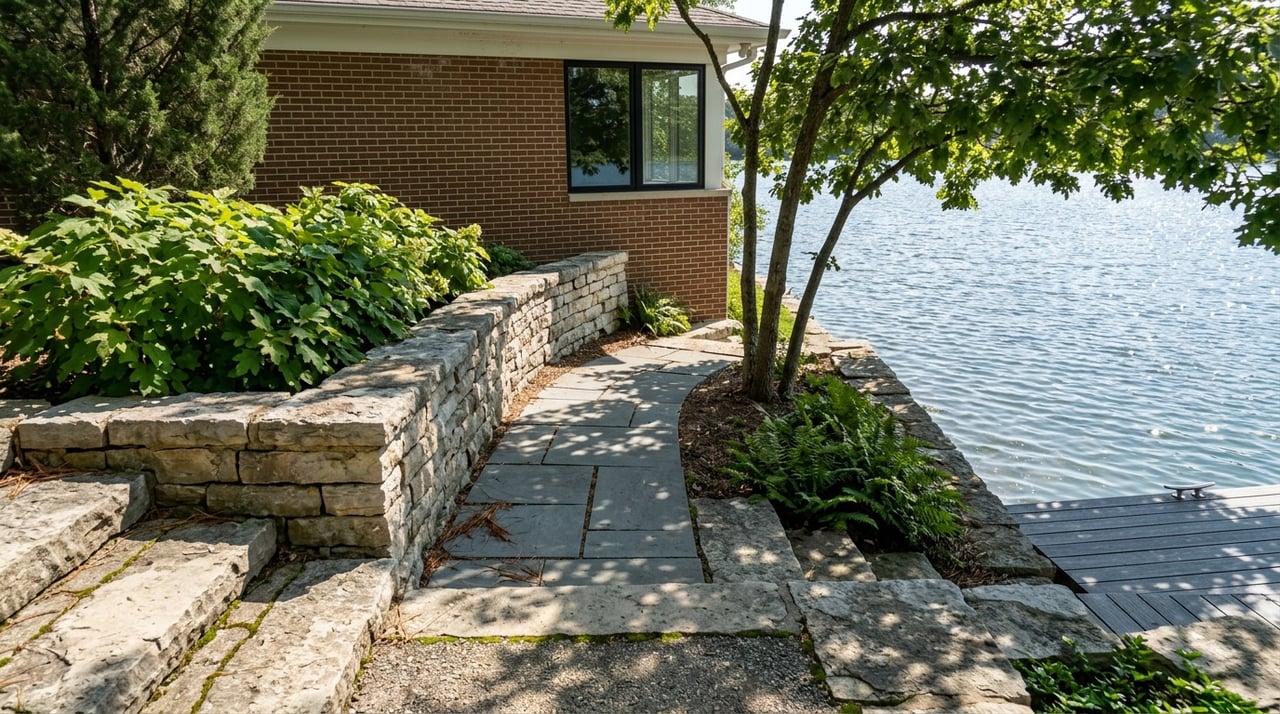
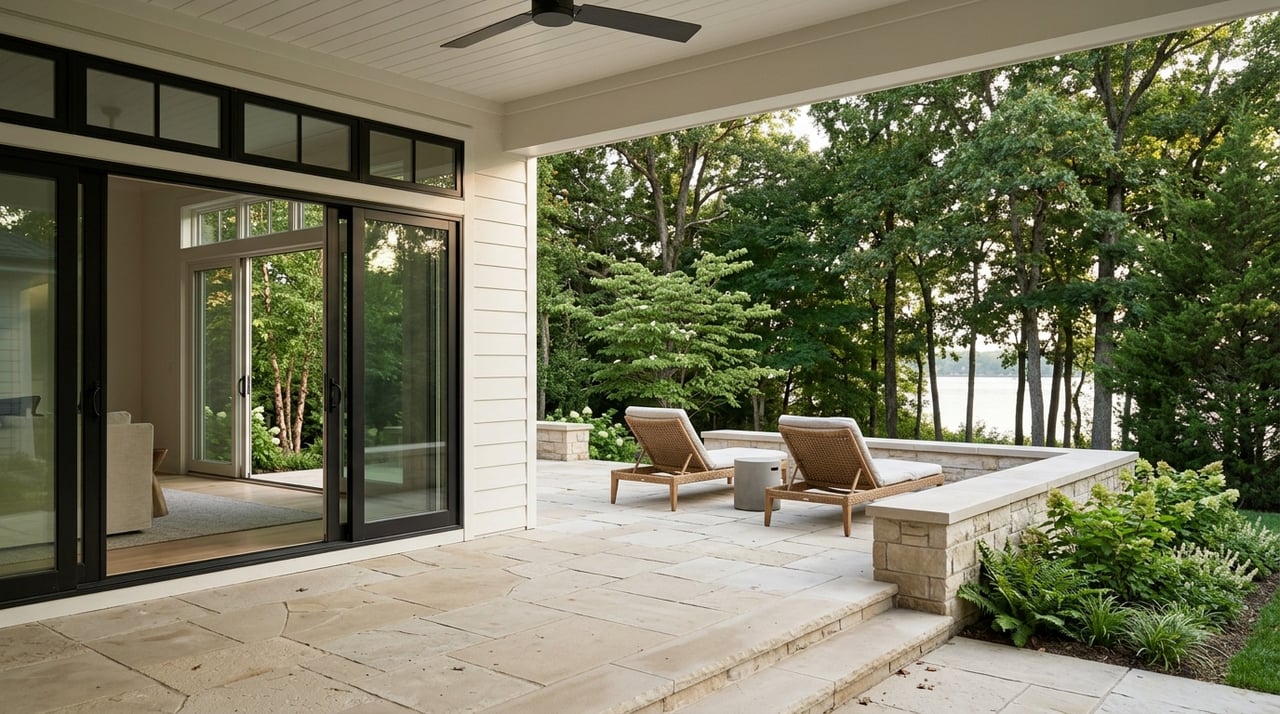
Lake-area and lifestyle-driven properties should be priced against similar homes, not generic city averages. Realtor.com currently shows examples like 161 Jaguar Dr at $764,900 on 11.5 acres and 2600 Mallard Point Rd at $2.35 million with Lake Norfork features including a boat dock, lake view, waterfront access, and 1.53 acres. These homes attract buyers who are paying for scarcity, setting, and access as much as for the structure itself.
Lake-access homes can also carry premiums outside the luxury tier. A sold example at 222 Spring Lake Dr featured 102 feet of private lake access and sold for $274,900. That reinforces an important point: lake access, dock rights, and views should be measured against other lake-oriented properties whenever possible.
Updates and condition can change your range
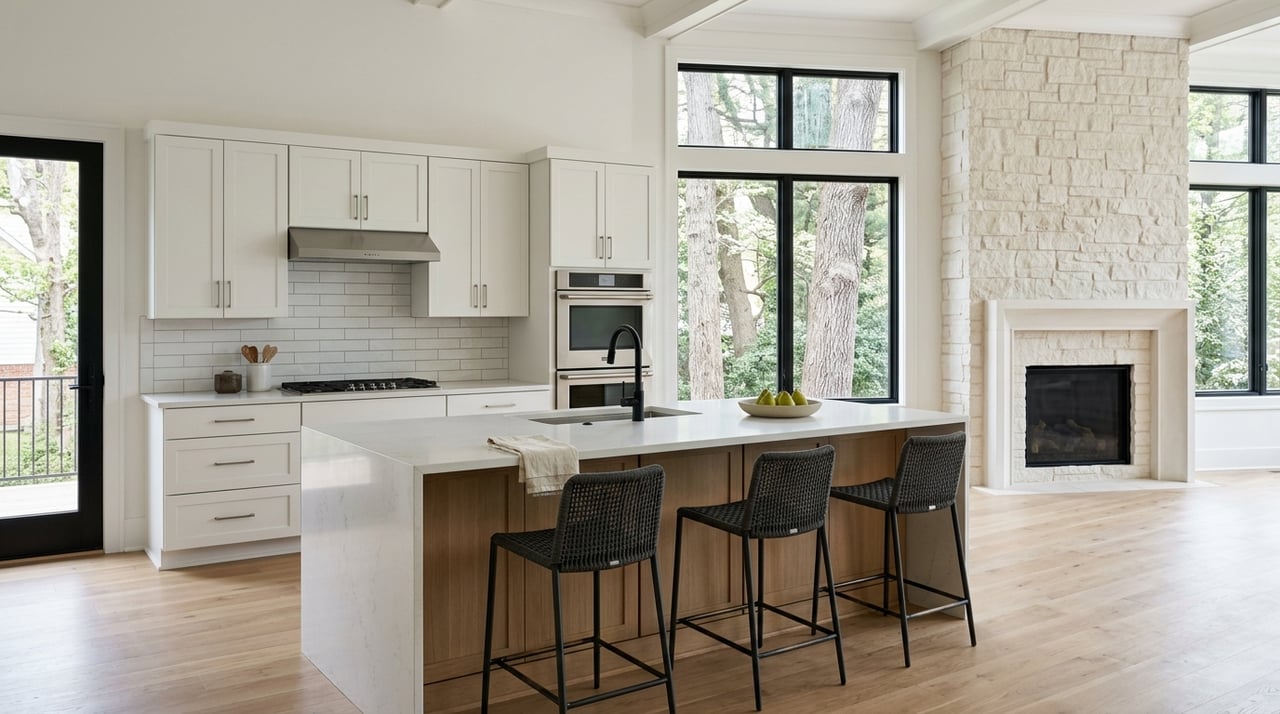
Buyers compare homes side by side, and condition often influences value more than sellers expect. A recent Redfin listing at 206 Swiss Alps Ln highlighted lake views, 1.6 acres, a quartz island, a remodeled primary bath, fresh paint, new lighting, and landscaping. Features like those can support a higher pricing tier than a more dated home with a similar size.
That does not mean every improvement adds dollar-for-dollar value. It does mean that updated homes often justify stronger pricing and may create better first impressions online and in person. Homes that feel dated or need visible work usually need more competitive pricing to keep pace.
If you are preparing to sell, it helps to separate essential repairs from cosmetic upgrades. A pricing consultation should look at your home the way current buyers will, then identify which features help and which ones may require a pricing adjustment.
Why overpricing usually backfires
Many sellers wonder if they should price high and leave room to negotiate. In a buyer-leaning market like Mountain Home, that approach often works against you. When buyers see a home that feels overpriced compared with nearby alternatives, they may pass on it before ever scheduling a showing.
The longer a home sits, the harder it can be to regain momentum. Buyers may assume something is wrong, or they may wait for price reductions before acting. In some cases, a home that starts too high ends up selling for less than it might have with a realistic initial price.
That is especially important in a market where recent sales have already been coming in below asking on average. Strong pricing early can help protect your leverage, attract more serious interest, and improve your chances of a cleaner negotiation.
Timing matters, especially for lifestyle properties
Mountain Home's appeal is closely tied to outdoor recreation and lifestyle. The City of Mountain Home highlights the area’s access to Norfork and Bull Shoals Lakes, the White and North Fork Rivers, a downtown entertainment district, and Arkansas State University-Mountain Home. Baxter County also notes that tourism and retirement are major drivers of local growth.
That broader lifestyle appeal can influence listing strategy. Bull Shoals Lake offers 48,195 surface acres along with marinas, boat ramps, camping, hiking, fishing, and swimming areas, and Norfork Lake draws strong seasonal activity as well. Based on that recreation profile, spring and summer likely provide stronger visibility for lake and outdoor-oriented homes.
That does not mean every property should wait for a certain month. It does mean timing should be part of the discussion, especially if your home’s value is tied to scenery, water access, or seasonal lifestyle appeal.
What a smart pricing consultation should include
A strong seller consultation should give you more than a single number. It should include recent closed sales, current competition, a review of your home's condition, and a realistic pricing range based on the likely buyer pool. That kind of preparation helps you make a decision with confidence instead of guessing.
It should also clarify the difference between tax assessment and market value. In Arkansas, the county assessor estimates market value, and real property is assessed at 20% of true market value for tax purposes, with countywide reappraisals occurring every three or five years. Assessed value can be useful for tax context, but it should not be your main guide for setting a list price.
When pricing is handled strategically, you give your home the best chance to compete from day one. In Mountain Home, that means staying grounded in local sales, understanding your property’s category, and positioning it for the buyers most likely to act.
If you are thinking about selling, the right pricing strategy can shape your entire outcome. For tailored guidance in Mountain Home and the Twin Lakes area, connect with Christopher Feliccia for a consultation built around local data, thoughtful positioning, and a clear plan.
FAQs
How should you price a home in Mountain Home, Arkansas?
- You should start with recent closed sales, current competition, your home's condition, and the buyer pool your property fits, rather than relying on active listings or a target number alone.
Is Mountain Home, Arkansas a buyer's market right now?
- Public market data in the research report shows Mountain Home behaving more like a buyer's market, with longer market times, meaningful inventory, and homes selling below asking on average.
Do updates increase home value in Mountain Home?
- Updates can support stronger pricing, especially when buyers are comparing finishes, layout, outdoor features, and overall condition against nearby options.
Should you price high to leave room to negotiate in Mountain Home?
- In the current buyer-leaning market, pricing high often leads to more time on the market and may reduce your leverage instead of improving your outcome.
Are lake-access homes priced differently in Mountain Home?
- Yes, lake access, dock rights, views, acreage, and setting can place a property in a different pricing category than a standard in-town home.
Does assessed value determine list price in Arkansas?
- No, assessed value is used for tax purposes and should not be confused with market value when setting a list price.